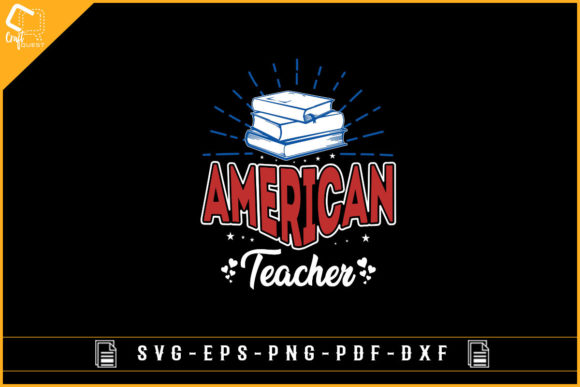
American Teacher Lover Design: 4th July Review
As a professional embroidery digitizer and product reviewer, I approach every new graphic asset with a specific question: will this actually stitch out cleanly on fabric? When evaluating the American Teacher Lover Design - 4th July, my perspective shifts from simple aesthetic appreciation to technical feasibility. This design sits at the intersection of patriotic celebration and educational pride, a niche that performs exceptionally well for small businesses and Etsy sellers during the summer season. However, because this asset is primarily marketed as a printable cutting file for Cricut or vinyl use in SVG, EPS, DXF, PNG, and PDF formats, an embroidery designer must exercise due diligence before running it through a machine.
First Impressions and Visual Personality
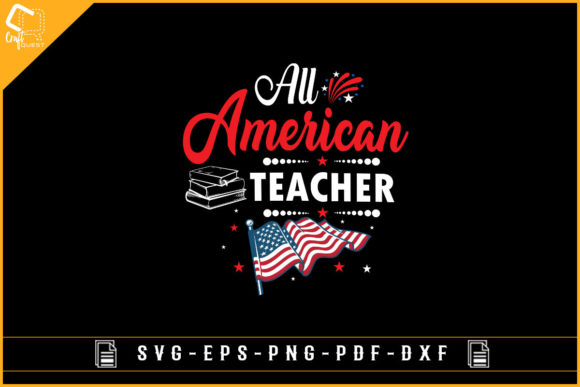
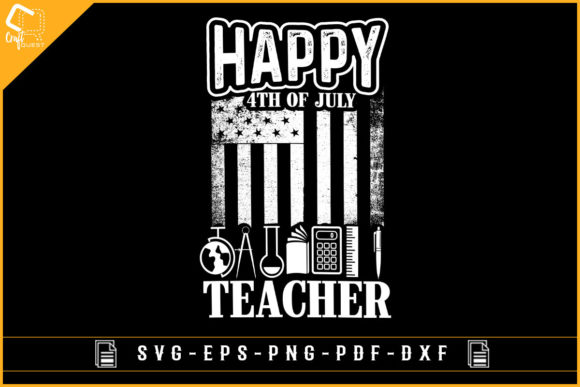
The initial mood of the American Teacher Lover Design - 4th July is cheerful, nostalgic, and distinctly Americana. Visually, it balances the boldness required for Independence Day merchandise with the softer, more approachable typography associated with teacher appreciation. For a craft business owner, this duality is valuable. It allows you to target two overlapping demographics simultaneously: educators who love their country and patriots who support local schools.
From a layout perspective, the design appears optimized for flat application. The shapes are likely distinct and separated, which is ideal for vinyl but requires careful consideration for needle and thread. As a graphics asset, it has strong visual hierarchy. However, as a potential machine embroidery design, I immediately look for line weight and negative space. If the original vector lines are too thin, they may disappear under satin stitch columns. Conversely, if the solid areas are too vast without texture, they could create bulletproof patches that pucker lightweight fabrics. The personality is right for a tote bag design or sweatshirt embroidery, provided the digitizing respects the integrity of the original art.
Real-World Application: The Teacher Tote Project
To truly evaluate this asset, I mentally placed it into a real-life production scenario: creating a custom canvas tote bag for a retiring teacher’s 4th of July farewell gift. This is a classic personalized gift that demands durability and legibility. Canvas is a forgiving fabric, but it has texture. When applying the American Teacher Lover Design - 4th July to this substrate, I would treat it as an applique design rather than a full-fill embroidery piece.
Using the SVG or DXF file as a template, I would cut fabric pieces for the main patriotic elements using a vinyl cutter or laser, then secure them with a running stitch placement line before covering the edges with a narrow satin border. This method preserves the crisp graphic look of the original digital file while reducing stitch density. A full-stitch version of this design on canvas might become too stiff and heavy, detracting from the utility of the bag. By adapting the graphic into a mixed-media embroidery project, the final product retains the handmade charm customers expect from a boutique brand while ensuring the bag remains functional. This approach also maximizes profit margins by reducing thread consumption and machine run time.
Navigating Fabric Limitations and Hoop Sizes
While the design shines on stable woven fabrics like canvas, denim, or twill, caution is necessary when applying it to other materials common in holiday embroidery. Because the source files are intended for print and cut, they may lack the built-in compensation needed for stretchy knits. If you plan to use this for custom apparel like t-shirts or baby onesies, you cannot simply auto-digitize the PNG.
Stretchy fabrics require specific underlay and stabilization to prevent distortion. The American Teacher Lover Design - 4th July likely contains text elements that are unforgiving on unstable grounds. On a knit sweatshirt, I would recommend using a fusible mesh stabilizer and potentially simplifying small details. Tiny lettering or intricate stars that look perfect in a printable mockup may turn into illegible thread nests on pique polo fabric or ribbed cotton. Always verify the minimum text height against your machine’s capabilities; generally, satin stitch letters should not be smaller than 6mm to remain readable.
Furthermore, consider your hoop size constraints. Patriotic designs often have wide aspect ratios. Ensure the design fits comfortably within your hoop with adequate clearance for the presser foot. If resizing is necessary, do so only after converting to an embroidery format, and never stretch the design disproportionately, as this alters stitch density and can lead to thread breaks or fabric tears.
Commercial Viability and Brand Consistency
For Etsy sellers and creative entrepreneurs, the versatility of this graphic is its strongest selling point. The inclusion of multiple file types (SVG, EPS, DXF, PNG, PDF) suggests high adaptability. You can use the PNG for sublimation mugs, the SVG for vinyl decals on tumblers, and a custom-digitized version for embroidered patches or caps. This cross-platform consistency builds brand recognition. Customers who buy a vinyl sticker today may return for an embroidered apron tomorrow because the visual language remains identical.
However, professionalism hinges on execution. A poorly digitized version of the American Teacher Lover Design - 4th July can damage customer trust. Before listing any finished product for sale, you must validate the stitch quality. Check for jump stitches that haven't been trimmed, loose top stitches, or registration issues where outlines don't meet fills. These flaws are obvious in person, even if they are hidden in digital previews. Remember that the product description explicitly states mockups are not included, meaning you must create your own realistic photography to set accurate buyer expectations.
Critical Designer Notes for Safe Execution
Before committing this design to a commercial run or a cherished gift, adhere to these practical guidelines:
- Verify Licensing: Since this is a digital asset for Crafts and Graphics, confirm whether your purchase includes commercial rights for embroidered goods. Some licenses cover physical end products but prohibit selling the digitized embroidery file itself.
- Test Stitch Mandatory: Never run this design on a final garment without a test sew-out. Use scrap fabric similar in weight and weave to your intended project. Evaluate the thread colors against the fabric background; red and navy can sometimes bleed visually on dark fabrics without proper contrast stitching.
- Digitizing Conversion: Do not assume the SVG is embroidery-ready. It is a vector graphic. You must import it into digitizing software to assign stitch types, directions, and trims. Auto-digitizing tools rarely produce professional results for complex thematic designs.
- Stabilizer Selection: Match the stabilizer to the fabric, not the design. For the tote bag scenario, use heavy cutaway or tear-away. For baby embroidery on delicate cotton, use a soft mesh cutaway to prevent skin irritation from dense backing.
- Detail Inspection: Zoom in on the digital file before digitizing. If there are distressed textures or grunge effects common in 4th of July graphics, simplify them. Embroidery cannot replicate pixelated distress; interpret it as open fill patterns or textured stitches instead.
- Mockup Accuracy: Create your own printable mockup or photograph a physical sample. Accurate representation reduces returns and increases buyer confidence, especially for small shop product listings where trust is paramount.
Final Assessment for Makers
The American Teacher Lover Design - 4th July offers significant potential for seasonal inventory expansion. Its strength lies in its clear thematic focus and multi-format availability, making it a versatile base for both vinyl and textile applications. For the experienced embroiderer willing to properly adapt a print-cut file for needlework, it serves as an excellent foundation for unique, hybrid-media products. Just remember that successful translation from screen to stitch requires respecting the mechanical limitations of thread and fabric. With proper testing and thoughtful digitizing, this design can become a staple in your holiday and back-to-school collections, delivering value to both your business and your customers.