Apple Teacher: A Designer’s Embroidery Review
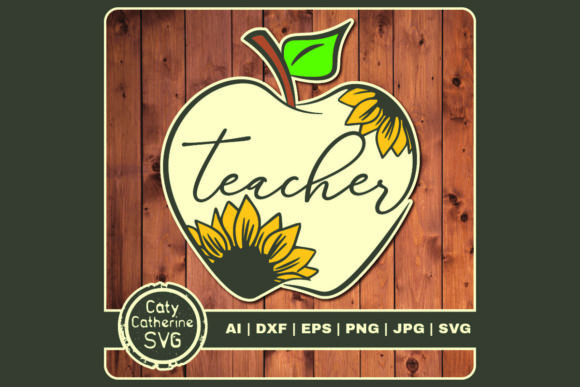
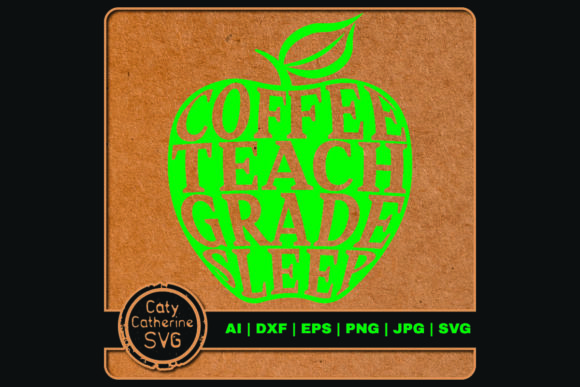
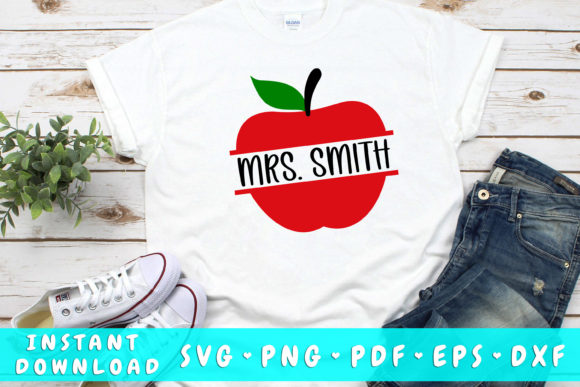
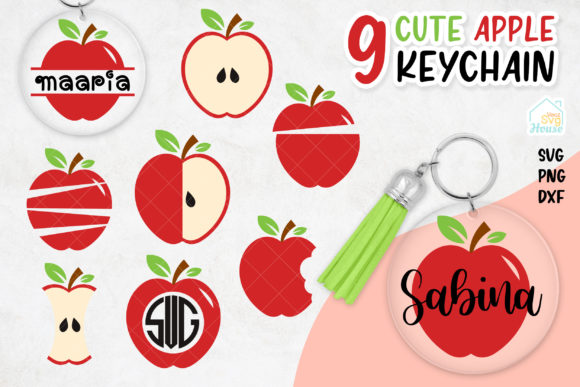
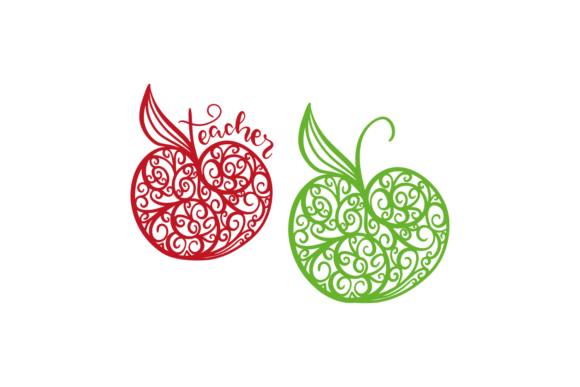
As a professional embroidery designer and product reviewer, I approach every new graphic with a specific question: will this translate beautifully from screen to stitch? When evaluating Apple Teacher, my first impression is one of classic, nostalgic charm. The silhouette is clean and instantly recognizable, evoking feelings of education, autumn harvests, and heartfelt appreciation. For those of us in the Crafts industry, particularly within the Graphics niche, this design offers a versatile foundation. However, because the source material is primarily marketed as an SVG vector cutting file compatible with machines like Cricut Explore and Silhouette Cameo, we must critically assess its viability as a dedicated machine embroidery design. A vector cut file is not automatically an optimized embroidery file, and understanding this distinction is vital for any Etsy seller or craft business owner looking to produce high-quality merchandise.
Translating Vector Graphics to Stitched Reality
The visual personality of Apple Teacher is undeniably strong. It possesses a balanced shape that naturally lends itself to center-chest placement or left-breast positioning on custom apparel. In a real-life scenario, I recently prepared a custom embroidered tote bag for a teacher appreciation gift. The goal was to create a personalized gift that felt boutique-quality rather than mass-produced. While the SVG lines are crisp for vinyl or paper crafting, converting this aesthetic into thread requires careful consideration of stitch density and structure.
If you are using this graphic as a base for digitizing, or if you have purchased a pre-digitized version derived from this artwork, you must evaluate the intended stitch type. Is it designed as an applique design where fabric fills the apple shape, or is it a full fill stitch composition? For a tote bag design, I often prefer applique to reduce bulk and maintain the canvas's natural drape. A dense fill stitch on a lightweight tote can cause puckering, whereas an applique with a neat satin stitch border creates a professional, durable finish. If the design relies solely on running stitches to mimic the vector lines, it may lack the visual weight necessary for a standalone motif on heavier fabrics like denim or canvas.
Real-World Performance Across Different Projects
In my experience testing similar educational motifs, Apple Teacher performs exceptionally well when matched to the correct substrate. For sweatshirt embroidery, the design serves as an excellent focal point. The rounded shapes of the apple complement the soft texture of fleece and french terry. However, when moving to baby embroidery items like onesies or bibs, caution is required. Baby garments demand low-profile stitching to prevent skin irritation. If the digitized version of Apple Teacher has excessive jump stitches or dense underlay, it may be too rigid for infant wear. Always verify that the digital embroidery file has been optimized for delicate textiles before committing to production.
For commercial embroidery ventures, such as creating school spirit wear or staff uniforms, consistency is key. This design’s simple geometry allows for easy color swapping to match specific brand palettes. I have found that designs with clear, distinct sections allow for faster thread changes and cleaner production runs. Conversely, if you are creating an embroidered patch, the outer boundary must be defined by a sturdy merrow or satin border. A vector file does not inherently account for patch structural integrity; your digitizing software must add these technical elements to ensure the patch doesn't fray after repeated washing.
Navigating Fabric Textures and Hoop Limitations
Where does Apple Teacher require extra vigilance? Textured fabrics are the primary challenge. On terry cloth towels or ribbed knit caps, fine details can get lost. If the design includes small leaves, stems, or intricate typography alongside the apple, these elements may sink into the pile of a tea towel. In such cases, using a water-soluble topping is non-negotiable to keep the running stitch details visible on top of the fabric nap. Similarly, when working with stretchy performance fabrics, the stabilizer choice becomes more important than the design itself. A cutaway stabilizer is essential to prevent the apple shape from distorting when the garment is worn.
Hoop size compatibility is another practical constraint. While the apple shape is generally compact, adding personalized text below or above the motif increases the footprint. Before starting any embroidery project, confirm the final dimensions against your machine’s maximum sewing field. There is nothing worse than realizing mid-production that the design exceeds your 4x4 hoop capabilities. Furthermore, dark fabrics present their own set of challenges. Light-colored threads on navy or black sweatshirts provide beautiful contrast, but they also highlight any registration errors. Ensure the digitization includes adequate pull compensation so the satin stitch borders align perfectly with the fill areas, maintaining that crisp, professional look customers expect from a small shop product.
Ensuring Commercial Viability and Customer Trust
For creative entrepreneurs and handmade shop owners, the value of Apple Teacher extends beyond aesthetics—it impacts buyer engagement and trust. Customers can distinguish between a generic clip-art stitch-out and a thoughtfully executed piece of needlework. Visual appeal directly correlates to perceived value. When listing a finished product online, use high-resolution photos that show the texture of the stitches. A flat, digital printable mockup is useful for initial listings, but real photos build confidence. Show the design on a model or laid flat with good lighting to demonstrate how the thread colors interact with the fabric texture.
Licensing is a critical, often overlooked aspect of using graphics like Apple Teacher. Just because a file is compatible with cutting machines does not grant commercial embroidery rights. Before selling any design assets or finished goods, thoroughly review the license terms. Some designers permit personal use only, while others offer extended commercial licenses for Etsy sellers. Respecting intellectual property protects your business reputation and ensures you are building a sustainable craft business ethically. Additionally, always test the design on scrap fabric first. Check for thread breaks, tension issues, and overall alignment. This step saves money on ruined blanks and prevents negative reviews due to poor quality control.
Practical Notes for Makers and Designers
To maximize the potential of Apple Teacher in your studio, keep these practical guidelines in mind:
- Verify File Format: Confirm you have a true embroidery format (PES, DST, JEF, etc.) rather than just the SVG cut file. Vectors must be properly digitized for needles.
- Test Stitch Density: Run a sample to ensure the design isn’t too dense for your chosen fabric. Adjust density in software if puckering occurs.
- Contrast Check: Test thread colors against both light and dark backgrounds. What looks vibrant on screen may appear muddy on beige linen.
- Stabilizer Matching: Pair tear-away stabilizers with stable woven fabrics and cut-away stabilizers with knits and stretch materials.
- Detail Inspection: Zoom in on small elements like the stem or leaf. If they are thinner than 2mm, consider widening them to prevent needle breaks or fabric perforation.
- Mockup vs. Reality: Use printable mockups for marketing, but validate the actual stitch-out quality before fulfilling orders.
- Wash Testing: If selling holiday embroidery or kitchen textiles, wash the test piece to ensure the design holds up without shrinking or unraveling.
Ultimately, Apple Teacher is a delightful motif with significant potential for holiday gifts, school merchandise, and personalized keepsakes. Its success, however, depends entirely on the maker’s technical diligence. By treating the graphic as a starting point rather than a finished solution, and by respecting the nuances of machine embroidery, you can transform this charming digital asset into a tangible, high-value handmade product that resonates with customers and stands the test of time. Whether you are decorating a cap, stitching a nursery pillow, or launching a new fall collection, let practical judgment guide your needle.