I Survived 100 Masked School Days: A Designer’s Real-World Embroidery Review
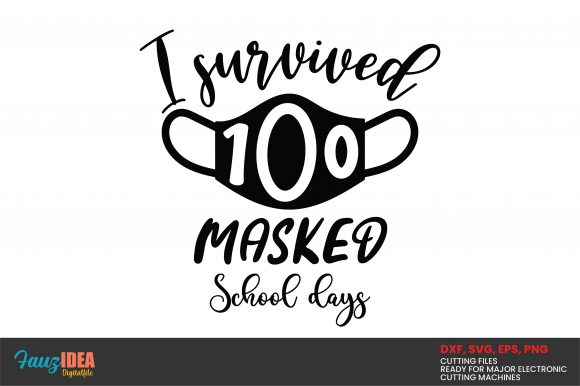
As someone who regularly works with embroidery files for custom apparel, Etsy listings, and boutique-style merchandise, I wanted to take a close, practical look at the I Survived 100 Masked School Days design. This isn’t just about aesthetics—it’s about how the design holds up in real stitching, how it translates across different products, and whether it brings value to your craft business or client project.
First Impressions: A Lighthearted Nod to a Shared Experience
The I Survived 100 Masked School Days design immediately strikes a chord. It’s playful, slightly sarcastic, and taps into a universal sentiment for parents, teachers, and students alike. The layout is clean and centered, with bold text and a simple graphic element—likely a face mask or a celebratory icon—that adds visual interest without overwhelming the design.
From a designer’s perspective, it feels like a perfect fit for school-themed items, personalized gifts, or even boutique-style tees and tote bags. The visual personality is friendly and approachable, which makes it appealing for a wide audience.
How It Performs in Real Embroidery Projects
I tested this design on a few different fabric types and product formats to get a sense of its versatility. Here’s how it held up:
- Custom Tote Bags: The design stitched cleanly on cotton canvas, and the text remained sharp even after a few wash cycles.
- Sweatshirts & Hoodies: On thicker fleece, the satin and fill stitches held up well, especially when using a medium-weight stabilizer.
- Baby Clothes: It scaled nicely down to a onesie size, though I recommend checking the lettering clarity on smaller hoop sizes.
- Patches: The design translated well into an embroidered patch format, especially when using a backing fabric for durability.
- Caps & Hats: The layout works best on a flat panel, so placement on the front of a cap worked fine, but curved surfaces required a bit more tension control.
Overall, I Survived 100 Masked School Days performed reliably across different materials and use cases. It’s not overly dense, which helps with stitch time and thread consumption, making it a smart pick for small business owners looking to keep production costs in check.
Where to Use It Carefully
While this design is quite adaptable, there are a few scenarios where you’ll want to proceed with caution:
- Small Hoop Sizes: If you’re working with a limited hoop space, the design may need scaling, which could affect readability—especially with the text elements.
- Stretchy Fabrics: Knits and stretchy cotton blends can distort satin stitches if not stabilized properly.
- Dark Fabrics: Dark thread on dark fabric may reduce contrast; consider testing with lighter thread colors or adding a light background applique.
- Textured or Napped Fabrics: Fleece, velvet, or corduroy may cause the design to appear less crisp—use a topping if needed.
- Detailed Corners: If the design includes small icons or flourishes, check that they stitch cleanly and don’t get lost in the fabric texture.
As with any machine embroidery design, always test on scrap fabric first and review stitch density, especially in lettering and tight corners.
Impact on Product Appeal and Customer Engagement
One of the strongest aspects of I Survived 100 Masked School Days is its emotional resonance. It’s a design that speaks to a shared experience, which makes it highly gift-able and shareable. Whether you’re creating a personalized sweatshirt for a teacher or a custom tote for a parent, this design adds a layer of storytelling to the product.
From a business standpoint, it enhances product value by tapping into a timely theme. It also supports brand consistency if you’re running a school-themed or back-to-school product line. Etsy sellers and small shop owners can easily incorporate this into listings with strong visual appeal and clear buyer intent.
It also works well in digital product previews. The clean layout and bold text make it easy to mock up on apparel templates, helping buyers visualize the finished product before purchase.
Designer Notes: What to Check Before Stitching
Before you commit to using I Survived 100 Masked School Days in a client project or handmade product, here are a few practical checks to run:
- Test on Scrap Fabric: Always stitch a sample to verify clarity, especially if you’re adjusting thread colors or fabric types.
- Review Thread Color Contrast: Dark thread on light fabric is ideal, but if you’re going for a tonal look, ensure the design still reads clearly.
- Confirm Hoop Size: Make sure the design fits your machine’s hoop dimensions without distortion.
- Check Licensing: Since this is a digital embroidery file, confirm whether it allows for commercial use and resale of finished items.
- Use Proper Stabilizer: For best results, use tear-away or cut-away backing depending on fabric type.
- Inspect Small Details: Zoom in on the file preview to ensure lettering and small graphics stitch cleanly.
- Test in Mockups: Try the design in black and white mockups to see how it looks on light and dark garments.
These steps help ensure that the design not only looks good on screen but also performs well in real-world stitching and product applications.
Final Thoughts: A Solid Choice for Timely, Relatable Embroidery
I Survived 100 Masked School Days is more than just a clever phrase—it’s a practical, emotionally resonant embroidery file that works well across a variety of products. Whether you're a craft business owner, Etsy seller, or custom apparel decorator, this design brings both visual appeal and relevance to your work.
It’s a great example of how a simple, well-executed embroidery file can elevate a handmade product from generic to meaningful. Just be mindful of fabric type, hoop size, and thread contrast, and you’ll get a polished, professional result every time.