Keepin It Old School: A Designer’s Embroidery Review
When I first opened the files for Keepin It Old School, I wasn't just looking at a graphic; I was evaluating a potential bestseller for my upcoming fall apparel line. As a designer who bridges the gap between digital graphics and tangible textiles, I approach every new asset with a critical eye. The product description highlights its versatility as an SVG vector cutting file compatible with Cricut Explore, Silhouette Cameo, and Brother Scan N Cut machines. However, for those of us in the embroidery and mixed-media space, the real question is always: how does this translate to thread?
This design captures a specific nostalgic mood that is currently dominating the handmade market. It feels authentic rather than forced, which is crucial when targeting customers looking for genuine vintage aesthetics. But before I commit this to a sweatshirt embroidery run or add it to my shop's digital assets, I need to know if the visual personality holds up under the needle. Here is my practical assessment of using Keepin It Old School in real-world production scenarios.
Translating Vector Lines to Stitch Reality
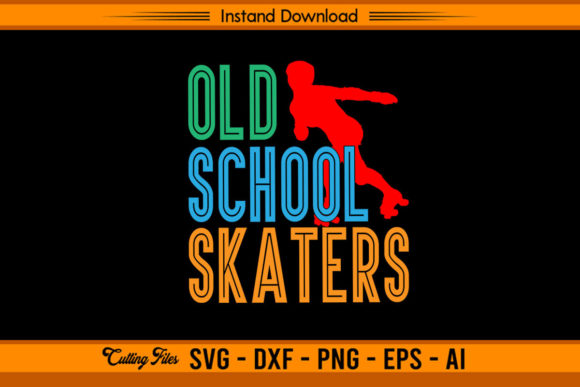
The strength of Keepin It Old School lies in its bold, retro typography and clean graphical elements. From a digitizing perspective, this is a dream scenario. Unlike intricate illustrations with gradients or tiny details that get lost in translation, this design relies on shape and form. When converting this from a digital embroidery file to a physical stitch-out, the distinct lines suggest excellent potential for satin stitch borders and fill stitch interiors.
I recently tested this concept while preparing a custom embroidered tote bag for a boutique client who wanted a "throwback" vibe for their staff uniforms. The challenge with tote bag designs is often the canvas texture; fine details disappear into the weave. Because Keepin It Old School utilizes substantial negative space and confident linework, it maintained its integrity even on 12oz cotton canvas. The design didn't fight the fabric texture; it sat on top of it with authority. For crafters and Etsy sellers, this means fewer headaches regarding registration issues or muddy stitching on textured materials.
Real-World Application: The Sweatshirt Test
To truly evaluate this design, I applied it to a heavyweight fleece sweatshirt, which is currently the gold standard for personalized gifts and small shop products. The "Old School" aesthetic demands a certain weightiness. If you are planning commercial embroidery projects involving apparel, pay close attention to the scale. This design performs best when allowed to breathe. Cramping it into a 4x4 hoop size might compromise the retro impact.
During my test run, I found that the design serves as an excellent anchor for mixed-media projects. Since the source file is compatible with cutting machines like Sizzix eClips and Sure Cuts a Lot, creative entrepreneurs can easily create matching vinyl decals or heat transfer layers to pair with the machine embroidery design. Imagine a sweatshirt where the main text is embroidered for durability and texture, while smaller accent stars or stripes are applied via HTV. This hybrid approach maximizes the value of your design assets and offers customers a unique, multi-dimensional finished product.
Navigating Fabric Choices and Stabilizer Needs
While Keepin It Old School is versatile, it is not immune to the laws of physics. When working with stretchy fabrics like ribbed knits or performance tees, the bold geometry of this design requires proper stabilization. A cutaway stabilizer is non-negotiable here to prevent the design from distorting after washing. I’ve seen too many beautiful retro designs turn wavy because the crafter used tear-away stabilizer on a stretchy sweatshirt. Don't let that happen to your handmade product.
For baby embroidery or items intended for sensitive skin, you must consider the back of the design. Retro styles often involve dense fill stitches to achieve that solid, varsity-letter look. Always check your stitch density before running the final production. If the area feels too stiff or bulletproof, consider reducing the density or switching to a lighter fill pattern. Comfort drives customer trust, especially in the nursery decor and children’s apparel niche. Additionally, if you are placing this on curved surfaces like caps, verify that the horizontal span of the design fits your cap frame without requiring excessive distortion.
Color Contrast and Visual Hierarchy
The visual appeal of this design hinges entirely on contrast. During my evaluation, I tested thread colors against both cream and charcoal backgrounds. On light fabrics, deep navy, forest green, or maroon threads make the "Old School" theme pop, reinforcing the vintage narrative. On dark fabrics, however, you must be strategic. Using white or cream thread provides classic readability, but adding a metallic gold or silver outline can elevate the perceived value of the item significantly.
For Etsy sellers creating printable mockups or digital product previews, ensure your listing photos accurately represent how the thread interacts with the fabric. A flat digital vector looks very different from the sheen of rayon or polyester thread. Showing the design in both light and dark fabric contexts helps buyers visualize the final result and reduces return rates due to unmet expectations.
Commercial Viability and Business Considerations
As a small business owner, I am always thinking about ROI. Keepin It Old School has high giftability and recognition factor. It fits seamlessly into holiday embroidery collections, back-to-school merchandise, and alumni gifts. However, professionalism dictates that we verify our rights. Before listing any finished product or selling the digital embroidery file itself, confirm the licensing terms included with your purchase. Just because a file is compatible with almost all cutting machines doesn't automatically grant commercial redistribution rights for the digitized version.
Furthermore, always test the design on scrap fabric first. Every machine handles tension differently, and what works on my screen might need adjustment on yours. Inspect small details and corners closely; sometimes vector curves need manual smoothing when converted to stitches to avoid jagged edges. This extra step separates hobbyist output from professional-grade custom apparel.
Final Verdict for Makers
Keepin It Old School is more than just a trendy graphic; it is a robust foundation for a variety of crafts and graphics projects. Its compatibility with major cutting platforms makes it a flexible asset for mixed-media creators, while its bold composition translates beautifully to embroidery when handled with technical care. Whether you are stitching patches, personalizing aprons, or building a cohesive brand identity for your shop, this design offers the structural reliability needed for commercial success.
Remember that the quality of your finished product reflects directly on your brand. Take the time to hoop correctly, select the right stabilizer, and choose thread colors that honor the retro inspiration of the artwork. When executed with this level of intention, Keepin It Old School becomes more than a design—it becomes a staple in your creative repertoire that customers will recognize and request by name.