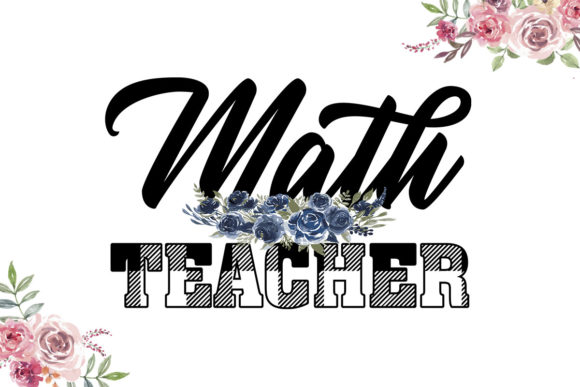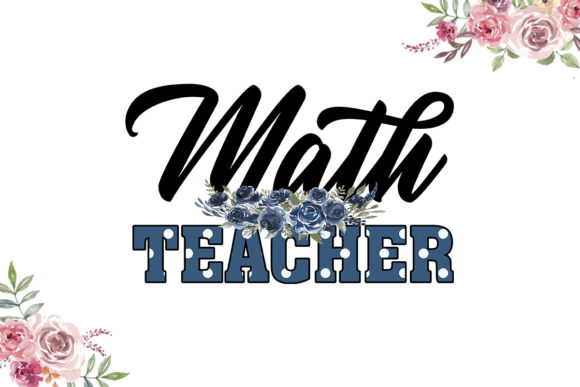
Math Teacher Plaid Pattern SVG: An Embroidery Review
First Impressions: Balancing Academic Charm and Stitch Integrity
When evaluating a new digital asset for my embroidery business, I look beyond the screen preview to imagine how lines will translate into thread. The Math Teacher Plaid Pattern, Pattern Svg immediately strikes a specific chord. It is not merely a generic tartan; it carries a distinct academic personality that feels organized, nostalgic, and intentionally structured. As a designer who frequently creates merchandise for educators and school events, I appreciate when a graphic captures a niche aesthetic without resorting to clichés. This design suggests a clean, geometric layout that hints at graph paper or structured logic, making it visually distinct from standard holiday or seasonal plaids.
However, translating a vector graphic into a machine embroidery design requires scrutiny. My first assessment focuses on line weight and negative space. Plaid patterns can easily become bulletproof vests if the digitizer uses excessive fill stitches. Fortunately, this SVG format allows me to inspect the geometry before committing to a stitch file. The lines appear crisp, suggesting they could be rendered effectively with satin stitches or running stitches rather than dense fills. For a craft business owner, this distinction is vital. A lighter stitch count means faster production times, less fabric distortion, and a softer hand-feel on the final handmade product.
Real-World Application: The Educator Tote Bag Test
To truly judge the viability of the Math Teacher Plaid Pattern, Pattern Svg, I mentally placed it onto a canvas tote bag intended for a high school math department gift. Teachers carry heavy loads—textbooks, laptops, grading papers—so the design must withstand utility, not just decoration. In this scenario, I envision the plaid serving as a stylish background panel or a large central motif paired with a monogram.
For this specific tote bag design, the pattern’s structure works in its favor. Unlike organic florals that can look messy if alignment shifts slightly during hooping, the geometric nature of this plaid forgives minor registration variances while still looking intentional. If I were producing this for an Etsy seller listing targeting back-to-school shoppers, I would use the SVG to create a vinyl heat transfer mockup first to test market interest, then convert the winning concept into an embroidery file for premium tiers. The versatility of having both vector and raster formats in the download zip supports this hybrid workflow perfectly.
I also considered this design for sweatshirt embroidery. On a fleece crewneck, the plaid could function as a chest pocket accent or a sleeve detail. Here, the visual mood shifts from utilitarian to cozy boutique apparel. The key is scale. On a tote, bold lines read well from a distance. On a sweatshirt, refining the stitch density ensures the garment remains wearable and doesn't pucker around the design area. This adaptability makes it a valuable asset for makers diversifying their small shop product lines.
Navigating Fabric Constraints and Technical Limitations
While the Math Teacher Plaid Pattern, Pattern Svg is versatile, it demands respect for fabric physics. Geometric designs are unforgiving on unstable materials. If you plan to stitch this on stretchy knits or lightweight jersey for baby embroidery or summer tees, stabilization is non-negotiable. I recommend testing on scrap fabric with a cut-away stabilizer to prevent the grid lines from warping. Nothing devalues a personalized gift faster than a distorted square that looks like a parallelogram after washing.
Be cautious with textured fabrics like terry cloth or minky when using this pattern for holiday embroidery or nursery decor. The precise lines of a math-themed plaid can get lost in high-pile textures. If you must use these substrates, consider using a water-soluble topping to keep the stitches visible and sharp. Conversely, on dark fabrics, ensure your thread colors have sufficient contrast. A navy plaid on black fabric disappears in photos and in person. For commercial embroidery projects where brand visibility matters, test light-on-dark combinations in natural lighting before running a full batch.
Another critical consideration is hoop size and placement. Detailed corners in plaid patterns can suffer if pushed to the absolute edge of a hoop's stitching field. Always leave a safety margin. If you are creating an embroidered patch, verify that the border definition in the SVG translates cleanly to a merrowed or satin-stitched edge. Sometimes, vector lines are too thin for physical thread; you may need to manually adjust stroke widths in your embroidery software to ensure the applique design elements anchor securely.
Enhancing Product Value and Customer Perception
Using the Math Teacher Plaid Pattern, Pattern Svg thoughtfully elevates perceived value. Customers recognize intentionality. When a design aligns perfectly with the recipient's identity—in this case, mathematics education—it signals that the maker understands the niche. This specificity builds trust. A generic "teacher" design sells; a "math teacher" design resonates. For Etsy sellers and creative entrepreneurs, this resonance translates to higher conversion rates and better reviews because the product solves a specific gifting problem.
Furthermore, the inclusion of multiple file formats (SVG, PNG, EPS, DXF, JPG) adds tangible value to your own business operations. Use the high-resolution JPG or PNG for printable mockups on your website. Accurate digital previews reduce return rates by setting correct expectations. Use the SVG or EPS for laser cutting appliqué pieces or sublimation prints that coordinate with your embroidered goods. This cross-platform consistency strengthens brand recognition across your entire design assets library.
Professionalism also stems from licensing clarity. Before listing any finished product derived from this file, confirm the commercial use terms provided by the original creator. Ethical sourcing protects your business reputation. Additionally, never assume a digital file is stitch-ready. Always verify whether the download includes a pre-digitized embroidery file or if you must digitize the SVG yourself. Misunderstanding this distinction leads to frustration and wasted materials.
Essential Designer Notes for Successful Execution
Before launching this pattern into production, adhere to these practical checkpoints to ensure professional results:
- Test Stitch First: Never run a new design directly on a client’s garment. Stitch out the Math Teacher Plaid Pattern, Pattern Svg on similar scrap fabric to check tension, density, and registration.
- Verify File Contents: Confirm exactly what is in the zip file. If only vector graphics are included, factor digitizing time into your pricing. Do not assume an embroidery project is ready-to-stitch without verification.
- Check Contrast: Evaluate thread colors against fabric backgrounds in both daylight and indoor lighting. Math themes often utilize primary colors or black/white; ensure readability in all conditions.
- Stabilizer Selection: Match stabilizer weight to fabric drape. Heavy tear-aways may distort delicate plaids; light cut-aways may fail on denim. Test specifically for this geometric layout.
- Mockup Accuracy: When creating listings, use the provided PNG/JPG files to show realistic placement. Avoid stretching or distorting the plaid in digital previews, as this misrepresents the final stitch quality.
- Licensing Compliance: Review usage rights for both personal and commercial applications. Document permissions to safeguard your craft business against future disputes.
- Scale Appropriately: Adjust design size based on end-use. A 4-inch plaid block reads differently on a cap versus a pillow cover. Maintain proportional integrity when resizing vectors before digitizing.
Ultimately, the Math Teacher Plaid Pattern, Pattern Svg offers significant potential for makers willing to apply technical diligence. Its strength lies in its niche appeal and structural clarity, but its success depends entirely on proper execution. By respecting fabric limitations, verifying file specifications, and prioritizing stitch quality over speed, you can transform this digital graphic into a profitable, professional-grade product line that genuinely serves the educator community.