Radiology School T-shirt Sublimation Review
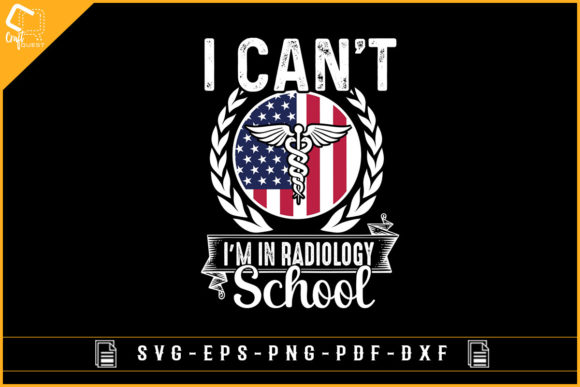
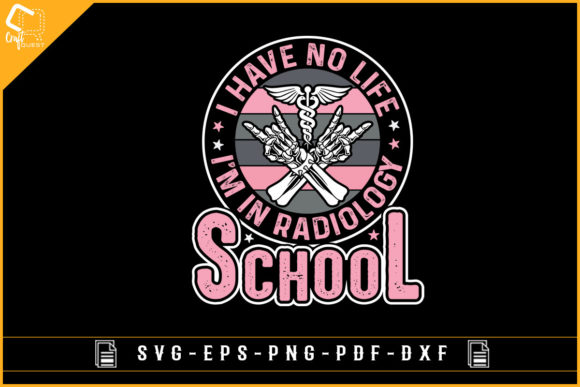
As a designer who spends more time behind an embroidery machine than a computer screen, I approach every new graphic with a specific question: will this actually stitch out well? When evaluating the Radiology School T-shirt Sublimation design featuring the phrase "I HAVE NO LIFE I M IN RADIOLOGY SCHOOL," my first impression is that it captures a very specific, relatable mood for students and professionals in the field. The typography-driven layout suggests a bold, humorous aesthetic that resonates deeply with the target audience. However, as we know in the Crafts industry, a great vector graphic does not always translate seamlessly into a high-quality machine embroidery design without careful consideration of structure and application.
Translating Digital Graphics to Stitched Reality
This product is primarily marketed as a sublimation and cutting file, available in SVG, EPS, DXF, PNG, and PDF formats. For those of us in apparel decoration and commercial embroidery, this means we are likely working from a source image rather than a pre-digitized embroidery file. This distinction is critical. Before loading this onto a machine for a sweatshirt embroidery project or a custom tote, you must assess the lettering style. If the font is distressed or grunge-style, standard fill stitch or satin stitch techniques may result in excessive thread breaks or a muddy appearance. In my experience reviewing similar Graphics for stitch conversion, clean sans-serif or bold collegiate fonts perform best when transitioning from print to thread.
The visual personality of this design is unapologetically academic and tired, which makes it perfect for niche merchandise. It feels authentic. For an Etsy seller or small shop product creator, this authenticity drives sales. Customers aren't buying generic medical gear; they are buying a shared experience. When adapted correctly, this design has strong potential for personalized gift items like study blankets or coffee mugs, provided the digitizer respects the original spacing and weight of the text.
Real-World Application: The Clinical Rotation Sweatshirt
To truly test the viability of Radiology School T-shirt Sublimation for needlework, let’s look at a real-case scenario. Imagine a client requests a crewneck sweatshirt for a radiography student starting clinical rotations. They want this specific quote centered on the chest. This is a classic custom apparel request. Because the design is text-heavy, I would immediately evaluate the hoop size requirements. A 5x7 hoop might be too cramped for legible text if the quote spans multiple lines, while a 6x10 or larger hoop would allow for proper letter height.
In this scenario, I would treat this as a potential applique design opportunity rather than full coverage stitching. Using a twill or felt background for the letters can reduce stitch density significantly, making the garment softer and more comfortable for a student wearing it during long shifts. Alternatively, if using direct embroidery, ensuring adequate stabilizer support is non-negotiable. Sweatshirt fleece is unstable; without a cut-away stabilizer and perhaps a topping to prevent stitches from sinking into the fabric texture, the humor of the design gets lost in a puckered mess. The goal is a crisp, professional finished product that looks intentional, not homemade.
Navigating Fabric Constraints and Technical Limits
While the design is versatile, there are environments where Radiology School T-shirt Sublimation requires caution. Small details in novelty fonts can be disastrous on textured fabrics like terry cloth or pique knits. If you are planning a tote bag design on heavy canvas, the thick fabric can swallow thin running stitches. Conversely, on thin performance wear or stretchy scrubs, dense columns of text can cause tunneling or fabric distortion. I always advise testing on scrap fabric first. Create a printable mockup to visualize placement, but physically stitch a sample to verify that tiny interior spaces in letters like 'A', 'O', or 'R' remain open after washing.
Dark fabrics present another challenge. Since this is originally a sublimation design, it likely relies on white or light backgrounds. For embroidery on navy or black scrubs, you must account for underlay and potentially a white base layer if converting to an applique. Without this, dark fabric shows through lighter threads, diminishing contrast. Also, consider the end-use. Radiology students wash their gear frequently. Ensure your thread colors are colorfast and your stitch type can withstand industrial laundering. A beautiful embroidered patch that unravels after three washes damages customer trust and your brand reputation.
Commercial Viability and Brand Consistency
For creative entrepreneurs and craft business owners, this design offers significant value because of its niche specificity. General medical designs are saturated; radiology-specific humor is not. However, professionalism matters. Whether you are selling a digital embroidery file or a physical item, consistency builds recognition. If you offer this as part of a collection, ensure the digitizing style matches your other products. Mixing puff embroidery with flat satin stitch across different listings can make a shop look disjointed.
When listing this as a holiday embroidery gift or back-to-school essential, highlight the practical adaptations you’ve made. Tell buyers you’ve optimized the design assets for durability. This transparency increases buyer engagement and justifies premium pricing. Remember to verify licensing. Just because a file is sold as "Ready to PRINT" or includes vector formats does not automatically grant commercial embroidery rights. Always confirm whether you can sell finished goods or if the license restricts usage to personal projects. Protecting your business starts with respecting intellectual property.
Designer Notes for Successful Execution
Before committing Radiology School T-shirt Sublimation to a production run, follow these practical steps to ensure quality:
- Verify File Compatibility: Confirm which format (SVG, EPS, etc.) imports cleanest into your digitizing software. Vector files usually require less cleanup than raster PNGs.
- Check Letter Height: Ensure all text elements meet minimum height standards for your chosen thread weight. Satin stitch letters should generally be at least 1mm tall to avoid needle damage.
- Test Contrast: View the design in black and white before stitching. If the values are too similar, adjust thread selection to improve readability on the final handmade product.
- Stabilizer Selection: Match stabilizer weight to fabric drape. Heavy cut-away for sweatshirts, tear-away for stable woven tote bags, and water-soluble topping for high-pile fabrics.
- Mockup Validation: Use software to simulate stitch direction and pull compensation. What looks centered on screen often shifts left or up during actual stitching due to thread tension.
- Licensing Audit: Re-read the terms of use specifically for embroidery and commercial sale of physical items versus digital redistribution.
Ultimately, Radiology School T-shirt Sublimation is a fantastic concept with strong emotional resonance for its audience. Its success in embroidery depends entirely on the maker's technical diligence. By respecting the limitations of thread and fabric, and by adapting the graphic intelligently rather than forcing a direct translation, you can create custom apparel and gifts that students will proudly wear throughout their grueling education. The difference between a mediocre craft and a premium product lies in these thoughtful adjustments. Take the time to test, refine, and validate, and this design will serve as a reliable staple in your radiology niche catalog.