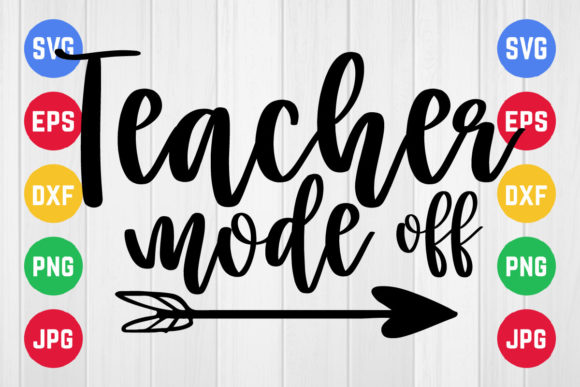
Thank You, Teacher: A Designer’s Embroidery Review
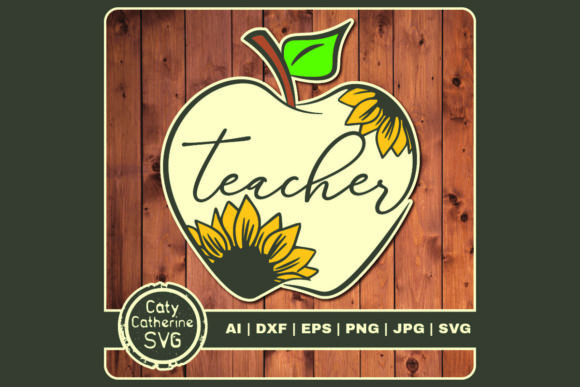
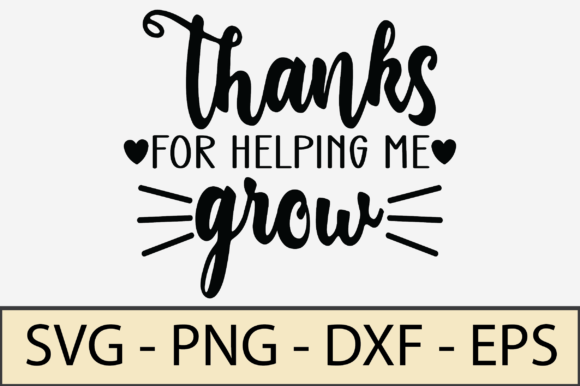
As a professional embroidery digitizer and product reviewer, I approach every new graphic with a specific question: will this actually stitch out beautifully on a finished product? When evaluating Thank You, Teacher, my first impression is one of clean versatility. While the product description highlights its strength as an SVG vector cutting file for machines like Cricut and Silhouette, those of us in the machine embroidery world see something different. We see a potential applique design or a crisp outline perfect for mixed-media projects. The typography and layout suggest a balanced composition that avoids the cluttered look that often plagues seasonal graphics, making it a strong candidate for both personal gifts and commercial embroidery inventory.
First Impressions and Design Versatility
The visual personality of Thank You, Teacher strikes a necessary balance between professional appreciation and handmade warmth. In the Crafts category, teacher appreciation items can sometimes lean too juvenile or overly formal. This design sits comfortably in the middle. The lettering appears structured enough to maintain legibility when converted into satin stitch borders or running stitch outlines, yet it retains a friendly cadence suitable for personalized gifts. For an Etsy seller or boutique owner, this aesthetic is crucial. It signals quality rather than generic clip art, which directly influences buyer engagement and perceived value.
From a technical standpoint, vector-based Graphics are excellent foundations for embroidery because they offer scalable lines without pixelation. However, before loading this into your digitizing software, you must assess the line weight. If the original SVG lines are too thin, they may disappear under thread tension; if too thick, they might require excessive fill stitch density. I recommend treating this as a hybrid asset. Use the vector file to create precise placement lines for an applique design, or trace it manually to create a custom machine embroidery design that respects the original artistic intent while adhering to stitch physics.
Real-World Application: The Custom Tote Bag Test
To truly judge the viability of Thank You, Teacher, I mentally placed it onto a canvas tote bag project intended for end-of-year teacher gifts. Tote bags are a staple for any craft business due to their utility and large embroidery area, but they present unique challenges. Canvas has a distinct fabric texture that can swallow fine details. In this scenario, I envision using the design as a centerpiece applique rather than a dense fill stitch block.
By utilizing the SVG to cut fabric pieces for an applique design, you reduce stitch count significantly while maximizing visual impact. This makes the tote bag lighter and more flexible—a key selling point for custom apparel and accessories. Alternatively, if stitching directly onto the canvas, I would convert the text elements into a bold satin stitch with adequate underlay to prevent the fabric grain from distorting the letters. This practical adaptation transforms a digital graphic into a durable, washable embroidered patch or direct embroidery that survives daily use. Customers appreciate products that look good and hold up over time, and this design supports that dual goal when executed correctly.
Navigating Fabric Challenges and Hoop Limitations
While Thank You, Teacher is versatile, it requires careful consideration regarding substrate selection. Not every fabric is a safe home for this design. If you are planning sweatshirt embroidery, be aware that fleece and French terry fabrics have significant stretch and pile. A design with intricate internal details or tiny serifs may get lost or cause puckering on these materials. For knit fabrics, I strongly advise testing the design on scrap fabric first with the exact stabilizer combination you plan to use for the final product. A cutaway stabilizer is usually non-negotiable here to maintain registration.
Small hoop sizes also demand scrutiny. If you intend to use this for baby embroidery on onesies or caps, verify that the aspect ratio fits your 4x4 or 5x7 hoop without requiring excessive resizing. Resizing vector graphics is easy, but resizing embroidery files can distort stitch density. Always re-digitize or adjust parameters after scaling. Furthermore, dark fabrics require high contrast thread colors to ensure readability. Test black and white mockups before committing to production. If the design relies on subtle shading or thin lines, it may fail on navy or charcoal garments unless modified with a thicker outline or backing fill stitch.
Commercial Viability for Makers and Sellers
For creative entrepreneurs and small shop owners, Thank You, Teacher offers tangible commercial potential beyond just the physical item. Because it originates as a vector file, it serves double duty. You can use the same graphic for printable mockups, marketing materials, and coordinating vinyl decals, creating a cohesive brand identity across platforms. This consistency builds customer trust and recognition. When listing finished products on Etsy, showing the design in multiple formats demonstrates professionalism and attention to detail.
However, a critical warning for digital product sellers and commercial embroidery users: always confirm licensing. Just because a file is compatible with cutting machines does not automatically grant rights to sell digitized embroidery versions or finished goods. Check the specific terms associated with Thank You, Teacher before adding it to your commercial embroidery catalog. Protecting your business means respecting intellectual property. If the license permits, this design could anchor an entire seasonal collection, pairing well with apple motifs, book icons, or pencil graphics to increase average order value through bundled offerings.
Essential Technical Notes for Success
Before you stitch out Thank You, Teacher on a client project or personal gift, run through this practical checklist to ensure professional results:
- Verify File Compatibility: Confirm whether you are working with the raw SVG or a pre-digitized embroidery file. Never assume stitch types are assigned correctly in converted files.
- Test Stitch Density: Ensure the design isn't too dense for lightweight fabrics like quilting cotton or linen tea towels, which are popular for holiday embroidery.
- Check Small Details: Inspect any decorative flourishes. If they are smaller than 1mm, consider removing them or converting them to running stitch to prevent needle breaks and thread bunching.
- Stabilizer Selection: Match your stabilizer to the fabric weight. Use tear-away for stable wovens and cut-away for stretchy knits to preserve the design's shape after washing.
- Thread Color Contrast: Evaluate visibility against your chosen garment color. Tone-on-tone embroidery looks elegant but requires perfect stitch definition; high contrast forgives minor tension issues.
- Mockup Validation: Create digital previews using the vector file to show clients exactly how the placement will look before hooping fabric. This reduces waste and increases approval rates.
Ultimately, Thank You, Teacher is a promising asset for makers who understand the translation from screen to stitch. Its clean lines and adaptable structure make it suitable for everything from nursery decor to staff appreciation merchandise, provided you apply sound embroidery principles. By respecting fabric limitations, verifying technical specifications, and leveraging its vector origins for cohesive branding, you can turn this graphic into a profitable and beautiful addition to your handmade repertoire. Remember, the best embroidery projects start with thoughtful preparation, not just enthusiastic stitching.