Too Ghoul for School: An Embroidery Design Review
As a designer who spends more time behind an embroidery machine than a computer screen, I approach every new graphic with a healthy dose of skepticism. When I first encountered Too Ghoul for School, my immediate thought wasn't about how cute it looked on a screen, but how it would translate into actual thread. We have all downloaded digital assets that look pristine as vector graphics but turn into a dense, puckered mess once stitched out. This review evaluates this design specifically from the perspective of a maker creating real-world products, focusing on stitch integrity, commercial viability, and practical application for fellow crafters and Etsy sellers.
First Impressions: From Vector to Stitch Path
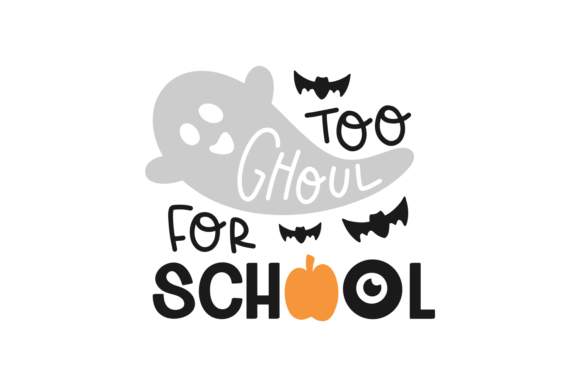
The visual personality of Too Ghoul for School strikes a specific balance that is crucial for the current market. It leans into the spooky season aesthetic without being terrifying, making it appropriate for children’s apparel, school spirit wear, and lighthearted adult accessories. As a graphic, the lines are clean and bold, which is exactly what we want to see before digitizing or purchasing a pre-digitized version. Intricate, wispy details often get lost in embroidery, but this design appears to rely on solid shapes and clear typography.
For those of us working in the Crafts category, this design feels like a natural fit for the "cozy spooky" trend. It doesn't scream horror; it whispers autumn nostalgia. This mood dictates where the design belongs. It isn't suited for formal wear or high-end luxury goods, but it is perfect for casual custom apparel, nursery decor, and seasonal boutique items. The layout suggests it will serve best as a center chest motif on sweatshirts or a primary focal point on tote bags, rather than a subtle cuff accent.
Real-World Application: The Sweatshirt Test
To truly evaluate this asset, I mentally placed it in a recent client scenario: a batch of custom crewneck sweatshirts for a local elementary school’s fall festival. The goal was to create a personalized gift that parents would actually want to buy and kids would be proud to wear. In this context, Too Ghoul for School performs exceptionally well because of its readability.
When stitching on fleece or French terry, fabric texture can eat up fine details. Because this design utilizes bolder elements, likely translating to satin stitch borders and fill stitch interiors, it maintains clarity even on textured fabrics. I envision pairing this with a classic orange or cream thread palette. For a handmade product like this, the design offers enough negative space to add personalization, such as a child's name below the main graphic, without requiring a massive hoop size. This versatility is key for small shop products where inventory space and material costs matter. If you are an Etsy seller, this type of adaptable design allows you to offer multiple variations from a single master file, increasing your listing value without extra digitizing time.
Technical Considerations and Fabric Limitations
While the aesthetic is strong, practical execution requires caution. Not every fabric is a friend to seasonal graphics. Here is where you need to apply professional judgment before running a production batch:
- Stretchy Fabrics: If applying this to ribbed knits or high-stretch performance wear, the design’s density could cause tunneling. You must use a high-quality cut-away stabilizer and potentially a topping to prevent stitches from sinking into the weave.
- Small Hoop Sizes: While the full design might fit a 5x7 hoop, scaling it down for a 4x4 hoop requires scrutiny. Check the smallest text elements. If the lettering drops below 0.25 inches in height after resizing, the satin stitch columns may become too narrow, leading to thread breaks or illegible text. Always verify minimum sizing constraints.
- Dark vs. Light Fabrics: High contrast is non-negotiable here. On black fabric, ensure your underlay is sufficient to prevent the dark base from showing through lighter thread colors. Conversely, on white fabric, check that darker outline stitches don't bleed visually due to tension issues.
- Curved Surfaces: I would hesitate to use the full, unmodified version of Too Ghoul for School on structured caps. The vertical height and flat orientation of typical school-themed graphics often distort on curved brims. This design is better suited for flat embroidery projects like aprons, pillow covers, or tea towels unless you have a specialized cap frame and have tested the distortion.
Commercial Viability for Makers and Sellers
For creative entrepreneurs, time is money. A machine embroidery design that requires constant troubleshooting is a liability. This graphic succeeds because its simplicity reduces production friction. Fewer color changes mean faster run times, and bold shapes generally forgive minor tension fluctuations better than photorealistic designs.
From a branding perspective, using consistent, high-quality graphics builds customer trust. When a buyer receives a finished product where the embroidery looks crisp and professional, they associate that quality with your entire shop. Too Ghoul for School supports this by offering a recognizable theme that resonates with buyers looking for holiday embroidery or back-to-school transitions. However, always confirm licensing. Just because a file is compatible with cutting machines or embroidery software does not automatically grant commercial rights for selling finished goods or distributing the digital embroidery file itself. Protect your business by verifying terms before listing.
Essential Pre-Stitch Checklist
Before you commit this design to a final product, treat it with the same rigor as any professional asset. Skipping these steps is the difference between a hobbyist result and a professional finish:
- Test on Scrap Fabric: Never assume factory settings are perfect for your specific machine and thread combination. Run a test stitch-out on the exact fabric weight you intend to use.
- Evaluate Stabilizer Choice: Match your stabilizer to the fabric drape. A stiff tear-away might work for a denim jacket but will ruin the hand-feel of a baby onesie. For baby embroidery, prioritize softness and washability.
- Check Thread Color Contrast: View your thread selection in natural light. What looks good under LED machine lights might look muddy in daylight photography for your printable mockup.
- Inspect Small Details: Zoom in on your machine screen or software preview. Are there jump stitches crossing open areas? Is the registration tight between the applique design layers and the satin borders?
- Mockup Verification: Create a digital preview to see how the design scales relative to the garment. This helps avoid placing a tiny logo on a massive adult hoodie or an overwhelming graphic on a toddler tee.
Final Verdict for the Embroidery Studio
Too Ghoul for School earns its place in a commercial embroidery library not just because it is trendy, but because it is structurally sound for translation into thread. It respects the limitations of the medium while maximizing visual impact. Whether you are creating a custom embroidered tote bag for a fall market or stocking your online store with seasonal apparel, this design offers a reliable foundation. Remember that successful embroidery is a marriage of good art and technical precision. By respecting fabric characteristics, testing thoroughly, and understanding the design’s optimal use cases, you can turn this graphic into a profitable, professional-grade asset for your craft business.