Teacher of Tiny Human SVG: An Embroidery Review
As a professional embroidery digitizer and product reviewer, I approach every new file with a healthy dose of skepticism. The market is flooded with graphics that look pristine on a screen but turn into thread nests or unreadable messes once they hit the hoop. When I first opened the Teacher of Tiny Human SVG Cut File, I wasn't just looking for a cute phrase; I was evaluating its structural integrity for real-world application. This design falls squarely into the intersection of Crafts and Graphics, but for those of us running a craft business or managing an Etsy shop, the true test is how it translates from a digital vector to a tangible, stitched reality.
First Impressions and Visual Personality
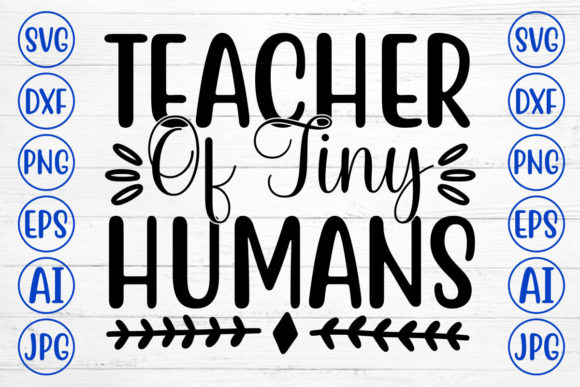
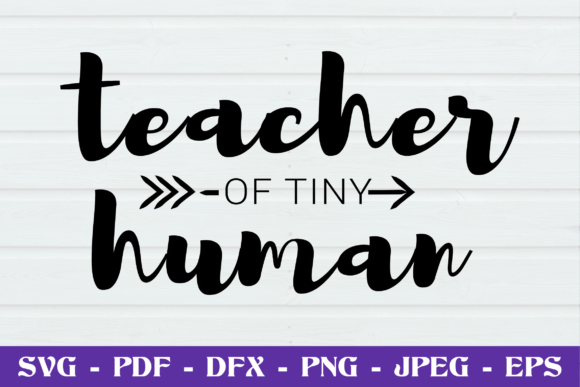
My initial assessment of this machine embroidery design focuses on its mood and layout. The typography carries a playful yet legible weight that resonates immediately with the target demographic: early childhood educators, daycare providers, and parents. It avoids the overly cursive scripts that often plague embroidery files, opting instead for a bold, clean aesthetic that promises high readability even at smaller sizes. As a digital embroidery file, the lines appear smooth, suggesting that if converted correctly, the stitch pathing should be logical rather than chaotic.
For a handmade product, visual balance is everything. This design feels centered and grounded, making it an excellent candidate for symmetrical placement on apparel or accessories. It doesn't rely on excessive ornamentation, which is a relief. In my experience, designs with too many decorative flourishes often suffer from registration issues on stretchy fabrics. The simplicity here suggests it will maintain its charm without overwhelming the garment or requiring complex color changes.
Real-World Application: The Toddler Teacher Tote Test
To truly evaluate this asset, I mentally placed it in a specific production scenario: creating a custom canvas tote bag for a preschool teacher appreciation gift. Tote bags are a staple small shop product because they offer a stable, flat surface for stitching, but the canvas texture can sometimes swallow fine details.
In this context, the Teacher of Tiny Human SVG Cut File shines as a potential applique design or a dense fill stitch piece. If I were producing this for a client, I would likely use a satin stitch border around block letters filled with a tatami or light fill stitch. This combination reduces stitch density compared to a full satin letter, preventing the canvas from puckering while keeping the text crisp. The phrase itself acts as a conversation starter, adding emotional value to the finished product. For an Etsy seller, this specific niche appeal transforms a generic bag into a personalized gift that commands a higher price point and fosters buyer engagement.
Beyond tote bags, I can see this performing exceptionally well on sweatshirt embroidery. The bold nature of the graphic allows for scaling up to fit the chest area of a crewneck without losing definition. For baby embroidery projects, such as bibs or onesies, the design would need to be scaled down significantly. Here, the lack of intricate internal details in the original graphic becomes a major advantage, as it allows for simplification during the digitizing process to accommodate tiny hoop sizes.
Critical Considerations for Fabric and Hoop Size
While the design is versatile, professional judgment requires acknowledging limitations. Not every fabric is suitable for this specific aesthetic. I would advise caution when applying this to highly textured fabrics like terry cloth or thick fleece unless you plan to use a water-soluble topping. Without that crucial stabilizer layer, the stitches may sink into the pile, rendering the "Tiny Human" text illegible.
Stretchy fabrics present another challenge. If you are planning custom apparel on lightweight jersey knits, the stitch density must be managed carefully. A heavy fill stitch on thin fabric will cause tunneling. I recommend testing the design on scrap fabric first, using a cut-away stabilizer to support the garment's drape. For dark fabrics, ensure your thread colors provide sufficient contrast. White or cream thread on navy blue offers classic visibility, whereas pastel threads might disappear, diminishing the professional finish of the commercial embroidery project.
Hoop size compatibility is non-negotiable. Before purchasing or stitching, verify the dimensions of the digital download against your machine’s capabilities. While SVGs are scalable vectors, the resulting embroidery file must still fit within your physical hoop boundaries. If you intend to create embroidered patches, confirm that the design elements are thick enough to support a merrowed or satin stitch edge. Thin lines in the original graphic may need to be reinforced during digitization to prevent fraying on a patch intended for frequent washing.
Enhancing Product Value and Brand Consistency
Using high-quality design assets like this directly impacts customer trust. When a buyer receives a finished product where the text is aligned, the tension is perfect, and the design suits the item's purpose, it reinforces your brand consistency. This particular graphic taps into a passionate community. Teachers love celebrating their profession, and parents love acknowledging their children's educators. By offering this as part of your holiday embroidery lineup or back-to-school collection, you align your shop with current cultural moments.
For digital product sellers, this file also serves as excellent content for printable mockups. Because the graphic is clean, it photographs well in digital previews, helping customers visualize the final result before they buy. However, always distinguish between the SVG cut file for vinyl and the embroidery file for stitching. Confusing these two formats is a common pitfall for new makers. Ensure your listing clearly states what is included to maintain professionalism and avoid customer service headaches.
Practical Designer Notes for Success
Before you commit this design to a sellable inventory, run through this practical checklist derived from years of troubleshooting:
- Verify Licensing: Confirm whether your purchase includes commercial rights for selling finished physical products versus digital files. This distinction is vital for Etsy sellers and small business owners.
- Test Stitch Density: Run a sample on the exact fabric you intend to sell. Adjust pull compensation if letters are shrinking or gaps are appearing between outlines and fills.
- Check Thread Contrast: View the design in black and white during the editing phase. If the values are too similar, the design will fail visually regardless of thread quality.
- Stabilizer Selection: Match your backing to the fabric weight. Use tear-away for stable woven cottons and cut-away for knits and stretch materials to ensure longevity.
- Mockup Accuracy: When creating listings, use realistic mockups that reflect the actual stitch texture. Overly glossy digital renders can mislead buyers expecting the tactile feel of embroidery.
- Format Confirmation: Since this is a digital download, ensure you have the correct software to convert the SVG into your specific machine format (PES, DST, JEF, etc.) before starting production.
The Teacher of Tiny Human SVG Cut File represents a strong opportunity for makers who understand their medium. It is more than just a catchy phrase; it is a functional design element that, when executed with technical precision, elevates the perceived value of your work. Whether you are crafting a personalized gift for a favorite educator or building a seasonal collection for your online store, success lies in respecting the relationship between the digital art and the physical stitch. Approach this design with care, test thoroughly, and let the quality of your craftsmanship speak as loudly as the sentiment itself.