Teacher of Tiny Humans SVG: An Embroidery Review
As a professional embroidery digitizer and product reviewer, I approach every new graphic with a specific question: will this actually stitch out cleanly on fabric? When evaluating the Teacher of Tiny Humans SVG for real-world application, my focus shifts immediately from screen aesthetics to structural integrity. This design falls squarely into the popular niche of educator appreciation, but its utility depends entirely on how the word-by-layer format translates into thread. For small business owners and Etsy sellers targeting the back-to-school season or teacher appreciation gifts, understanding the technical behavior of this file is just as important as its cute sentiment.
First Impressions and Visual Personality
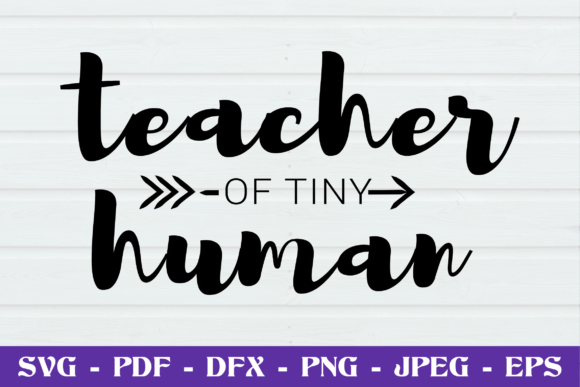
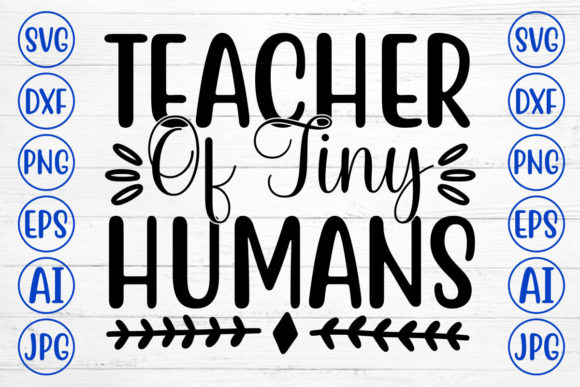
Upon opening the .zip file, which includes an AI file, a standard SVG, word-by-layer SVG files, and a PNG, the design presents a playful yet legible typographic layout. The phrase "Teacher of Tiny Humans" carries a specific mood that balances humor with professional pride. Visually, it feels organic rather than rigid, suggesting it belongs on relaxed, everyday items rather than formal corporate wear. As a digital embroidery file intended for crafts, the separation of words into individual layers is a significant advantage. This structure allows me to manipulate spacing and color blocking without needing to re-digitize the entire artwork from scratch. For a maker creating custom apparel, this flexibility means you can adjust the design to fit different hoop sizes or garment placements without losing the original charm.
Real-World Application: The Sweatshirt Test
To truly evaluate this machine embroidery design, I mentally simulated a common client request: a personalized crewneck sweatshirt for a kindergarten teacher. In this scenario, the design needs to be readable from a distance while maintaining detail up close. Because the Teacher of Tiny Humans SVG is provided in layers, I could envision assigning distinct thread colors to each word to create visual hierarchy. For example, stitching "Teacher" in a neutral cream, "Tiny Humans" in a vibrant school color, and connecting elements in a subtle grey running stitch.
This layered approach also impacts production efficiency. If I am running a batch of these for a craft fair or small shop product line, being able to change only the bottom layer for personalization (perhaps adding a name or grade level) saves time and reduces thread breaks. The design’s personality shines best on mid-weight fabrics like French terry or cotton fleece. On a sweatshirt, the stitch density must be balanced; too heavy, and the garment becomes stiff; too light, and the letters sink into the pile. This graphic’s clean lines suggest it will perform well as a combination of satin stitch borders and fill stitch interiors, provided the underlay is adjusted for the fabric texture.
Critical Considerations for Fabric and Hoop Size
While versatile, this design requires careful placement decisions. Not all fabrics are created equal when stitching text-heavy graphics. I would advise against using this specific layout on highly textured surfaces like terry cloth towels or thick cable knits unless you modify the stitch type to a heavier applique design or bold satin column. Fine details in the lettering may get lost in the nap of the fabric. Similarly, stretchy performance fabrics pose a risk. Without adequate stabilizer and potentially a topping, the tension required to stitch these words could distort the garment, leading to puckering around the phrase "Tiny Humans."
Hoop size is another non-negotiable factor. Before committing this embroidery project to a finished product, verify the dimensions against your machine’s capabilities. Text designs rely on precise registration; if you attempt to squeeze this into a hoop that is too small, requiring excessive re-hooping or resizing, the alignment between words may fail. For cap embroidery, the curved surface adds complexity. Unless the design has been specifically digitized with cap compensation (which should be verified in the file metadata), flattening this layout onto a curved brim might cause distortion at the edges. Always test on scrap fabric first to ensure the stitch density matches your chosen substrate.
Commercial Viability and Product Value
For creative entrepreneurs and handmade shop owners, the value of this asset extends beyond a single stitch-out. The inclusion of a PNG file alongside the vector formats is crucial for marketing. You can use this high-resolution image to create printable mockups for your Etsy listings before you even thread your needle. This builds customer trust by showing exactly what the personalized gift will look like. The professional presentation of the listing directly correlates to buyer engagement.
However, commercial embroidery demands consistency. If you are selling tote bag designs or aprons featuring this graphic, ensure your thread colors remain consistent across batches. The word-by-layer SVG files make it easier to document your color chart, ensuring that every "Teacher of Tiny Humans" item leaving your studio maintains brand consistency. This attention to detail signals professionalism to buyers looking for quality boutique branding. Remember to check the licensing terms included with your download to confirm whether you can sell physical embroidered items or if the license restricts usage to personal projects only. Clarifying this protects your business and respects the original digitizer's work.
Designer Notes for Optimal Results
To get the most out of this digital download, treat the preparation phase as seriously as the stitching phase. Here are practical steps derived from reviewing similar typography-based assets:
- Contrast Check: Always test thread color contrast against your fabric. White thread on pale yellow fabric might look great on screen but disappear in reality. Use the PNG to simulate this digitally before wasting materials.
- Stabilizer Selection: For knit fabrics, use a cut-away stabilizer to prevent stretching. For woven fabrics like canvas tote bags, a tear-away may suffice, but test first to ensure no residue remains inside the letters.
- Detail Inspection: Zoom in on the AI or SVG file to check for open nodes or overlapping paths that could cause unnecessary trims or jumps during embroidery. Clean vectors equal cleaner stitches.
- Mockup Testing: Create both light and dark background mockups using the provided PNG. Some customers struggle to visualize how a design pops on navy versus white; providing both options increases conversion rates.
- Washability: If producing baby embroidery or kitchen linens, consider the longevity of the stitch type. Satin stitches can snag; fill stitches are more durable for high-wear items. Adjust accordingly based on the end use.
Evaluating the Final Stitch-Out
Ultimately, the Teacher of Tiny Humans SVG serves as a strong foundation for apparel decorators and hobbyists alike, provided it is treated with technical respect. Its success lies in the balance between its whimsical message and the mechanical realities of embroidery. By leveraging the word-by-layer functionality, verifying fabric compatibility, and utilizing the included assets for professional merchandising, makers can transform a simple digital file into a high-value handmade product. Whether you are crafting a holiday gift for a favorite educator or building a seasonal inventory for your online shop, this design offers the versatility needed for modern embroidery businesses, as long as you prioritize testing and proper stabilization over speed. The result is a finished product that honors both the sentiment of the design and the craftsmanship of the maker.