Thank You Card SVG: An Embroidery Designer’s Review
As a professional embroidery digitizer and product reviewer, I approach every new file with a specific question: will this design survive the transition from screen to fabric? When evaluating the Thank You Card SVG Cutting File, Teacher, my initial assessment focuses on its structural integrity for needle and thread rather than just vinyl or paper. While marketed primarily as a papercut template for cardmaking, the circular geometry and sentimental theme make it a compelling candidate for adaptation into a machine embroidery design. For Etsy sellers and craft business owners looking to expand their inventory beyond paper goods, understanding how this graphic translates to textiles is crucial for maintaining quality and customer trust.
First Impressions: Geometry and Emotional Resonance
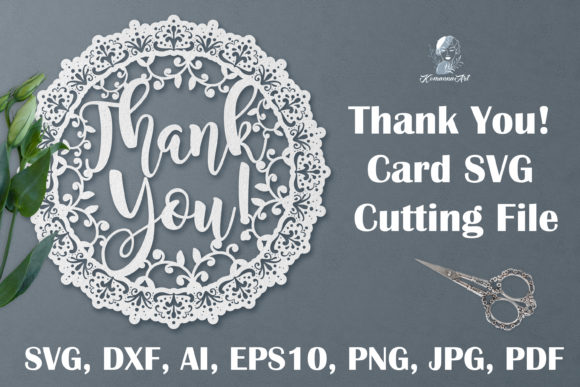
The visual personality of this Thank You Card SVG Cutting File, Teacher is rooted in clean, circular symmetry. In the world of Graphics and Crafts, circles are forgiving yet demanding. They frame text beautifully but require perfect registration when stitched. My first impression is that this layout possesses a classic, timeless mood suitable for appreciation gifts. It avoids overly trendy fonts that might date a finished product, instead leaning into traditional aesthetics that resonate with educators and parents alike.
For an embroidery project, this circular format acts as a natural badge or medallion. Unlike rectangular designs that can pull fabric diagonally, a well-digitized circle distributes tension evenly. However, because this is originally a cutting file, a digitizer must verify that the lines are continuous enough for a smooth satin stitch border or if they require conversion to a running stitch outline. The emotional weight of "Thank You" demands clarity; if the lettering is too thin or the spacing too tight, the message gets lost in the texture of the fabric.
Real-World Application: The Teacher Appreciation Tote Bag
To truly judge the viability of this digital embroidery file, I mentally placed it on a canvas tote bag intended for a teacher gift set. This is a high-stakes personalized gift where durability meets sentimentality. Canvas is a textured, unforgiving substrate. If the stitch density is too low, the fabric grain shows through; if too high, the bag becomes stiff and unappealing.
In this scenario, the Thank You Card SVG Cutting File, Teacher serves as the centerpiece. I envision adapting the outer circle into an applique design using a contrasting cotton print, with the inner text rendered in a dense satin column. This combination reduces total stitch count while adding tactile interest. For a tote bag design, this approach prevents the heavy puckering that often plagues large, solid-fill embroidery on unlined bags. Customers receiving this item need to feel that it was made specifically for them, not mass-produced. The adaptability of this SVG allows for name personalization below the circle, transforming a generic asset into a bespoke handmade product.
Navigating Fabric Variables and Hoop Constraints
Not every surface welcomes this design equally. As an experienced reviewer, I must highlight where caution is necessary. The circular nature of this embroidery file makes it excellent for sweatshirt embroidery centered on the chest, but problematic for curved surfaces like caps unless resized significantly. On stretchy knits used for baby embroidery or lightweight tees, the circle can distort into an oval if the proper stabilizer isn't used. I always recommend a cut-away stabilizer for knit garments to maintain the geometric integrity of the circle long after washing.
Furthermore, consider the hoop size limitations. If you are working with a 4x4 hoop, this design offers ample space for legible text. However, attempting to shrink this detailed circular template down to a 2-inch pocket logo risks losing critical details. Tiny serifs or intricate internal cuts from the original papercut file may turn into thread nests at smaller scales. Always test on scrap fabric that matches your production material. Dark fabrics present another challenge; ensure the thread colors provide sufficient contrast against navy or black sweatshirts, as subtle tone-on-tone stitching often fails to convey the "Thank You" message effectively in photographs or dim lighting.
Commercial Viability for Makers and Sellers
For small shop products and boutique branding, consistency is currency. Using the Thank You Card SVG Cutting File, Teacher across multiple mediums creates a cohesive brand identity. Imagine offering a matching set: a physical papercut card and an embroidered patch for a denim jacket. This cross-category utilization maximizes the value of your design assets. However, commercial viability hinges on technical execution. A jagged circle or gapping letters screams "amateur," eroding buyer confidence instantly.
When listing items derived from this file, your printable mockup should accurately represent the stitch texture. Do not use flat vector images to sell embroidered goods. Customers need to see how the satin stitches catch the light and how the applique sits on the fabric. This transparency builds trust. Additionally, verify the licensing terms before selling. Just because a file is an instant download does not automatically grant permission for unlimited commercial embroidery production. Protect your business by confirming you have the right to sell finished goods created from this specific template.
Essential Technical Notes for Success
Before loading this design into your machine for a client order, run through this practical checklist to ensure professional results:
- Verify Stitch Type: Confirm whether the converted file uses satin stitches for borders or fill stitches. Satin provides a polished look for thank-you cards, while fills may look too casual for formal teacher gifts.
- Test Contrast: View the design in black and white simulation mode. If the text disappears against the background circle, adjust the density or change thread colors before stitching on expensive garments.
- Stabilizer Selection: For woven fabrics like tea towels or pillow covers, tear-away may suffice. For knits or stretchy apparel, cut-away is non-negotiable to prevent the circle from warping during wear.
- Detail Inspection: Zoom in to 100% in your embroidery software. Check for overlapping stitches at the circle's closure point. Gaps here are common in converted SVGs and ruin the professional finish.
- Wash Testing: If creating holiday embroidery or kitchen linens that will be laundered frequently, wash your test sample. Ensure the applique edges don't fray and the text remains legible.
- Licensing Check: Re-read the product description regarding commercial use. Some designers allow physical sales but prohibit selling the digital embroidery file itself.
Final Thoughts on Design Adaptation
The Thank You Card SVG Cutting File, Teacher represents a versatile starting point for makers willing to bridge the gap between digital graphics and textile art. Its strength lies in its universal shape and clear emotional intent. Whether you are crafting a custom apparel line for school staff or creating heartfelt wedding gifts, success depends on respecting the physics of thread. By treating this SVG not just as a picture, but as a blueprint for mechanical reproduction, you elevate your work from simple crafting to professional design. Always prioritize test stitches over assumptions, and let the quality of your execution honor the sentiment of the message.